
Lotte Visualizes Factory Operations: Achieving Real-Time Insights via PLC Data to Cloud Integration
Lotte Co., Ltd.
Applied Services: Organizational Support, Modern Application Development, In-House Development Support, Manufacturing Industry Engineering
Date Published: 02 JUL 2025
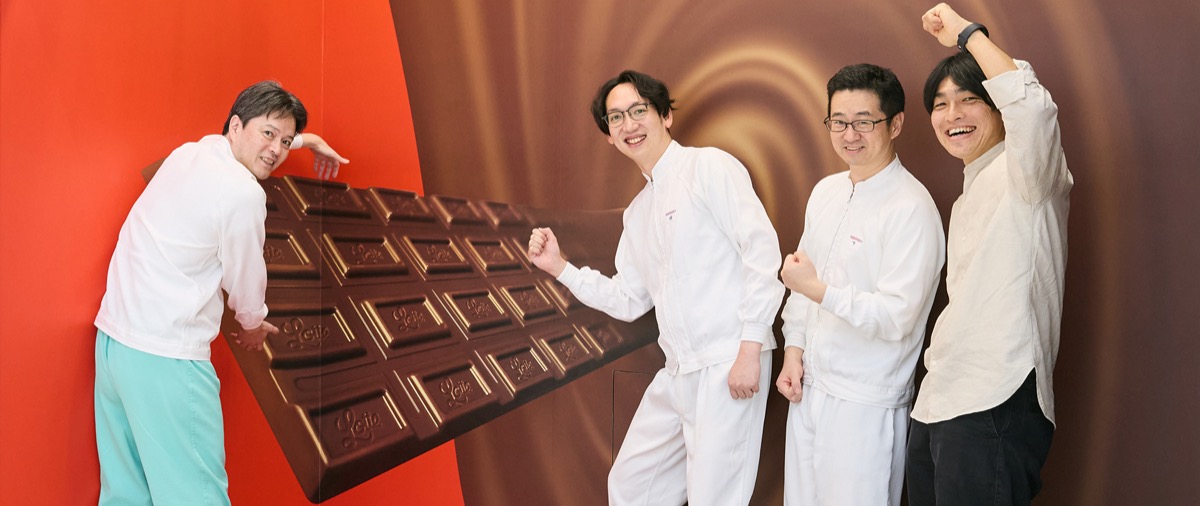
Lotte's Urawa Factory produces some of Japan's most beloved confectionery — Ghana Chocolate, Pie no Mi, Koala's March, Crunky — and ice cream products including Coolish, Mona Oh, and Yukimi Daifuku. Ghana Chocolate production alone involves over ten specialized processes from raw material intake through roasting and grinding. In August 2024, the factory launched a transformative digital initiative with Classmethod to bring real-time visibility to its production lines.
Driving Manufacturing Excellence with Data Visualization
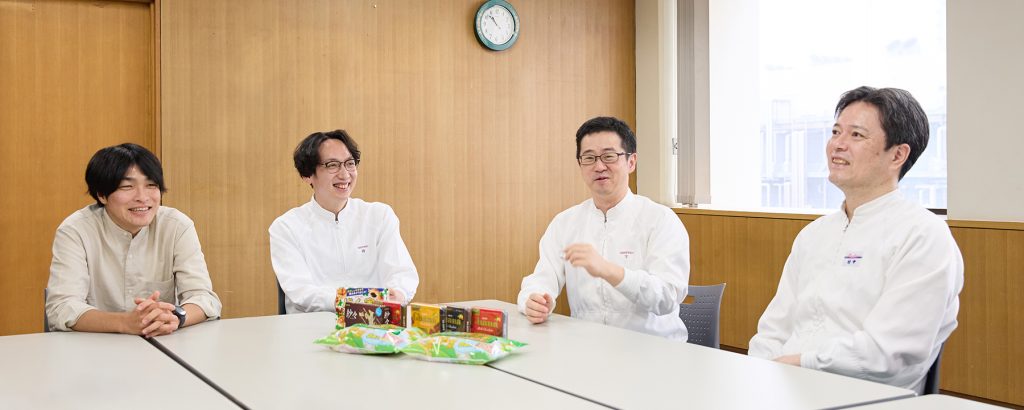
Before the project, production data was siloed at individual equipment terminals on the factory floor. Managers in the management building had no real-time visibility into line performance or equipment status.
"From the management building where line production managers were stationed, we could not grasp overall production status or identify equipment failures in real-time due to server and network limitations, leading to critical response lags."
— Mr. Ben, Lotte Urawa Factory
"Precise temperature control is vital in chocolate manufacturing, as even minor fluctuations directly impact product quality. Previously, line personnel performed manual patrols to record temperature values on paper."
— Mr. Takenaka, Lotte Urawa Factory
Strategic Partner Selection: The Shift to In-House Agility
Classmethod was selected for its Agile development approach, which allowed critical functions to be released in short cycles while building the team's internal capability to maintain and evolve the system independently.
"The Agile development approach allowed us to release critical functions in short cycles while continuously improving the platform. Classmethod's support ensured that our team gained the necessary skills to maintain and evolve the system independently after the project's conclusion, achieving our goal of self-sustained development."
— Mr. Toge, Lotte Urawa Factory
The project launched in August 2024, reached soft launch in January 2025, and concluded in May 2025. The technology stack included an on-premises gateway server for data collection, an AWS environment for the visualization data warehouse, and Grafana BI for dashboard development — with dozens of dashboards created in six months.
User-Centric Refinement: Integrating Line Feedback into Real-Time Dashboards
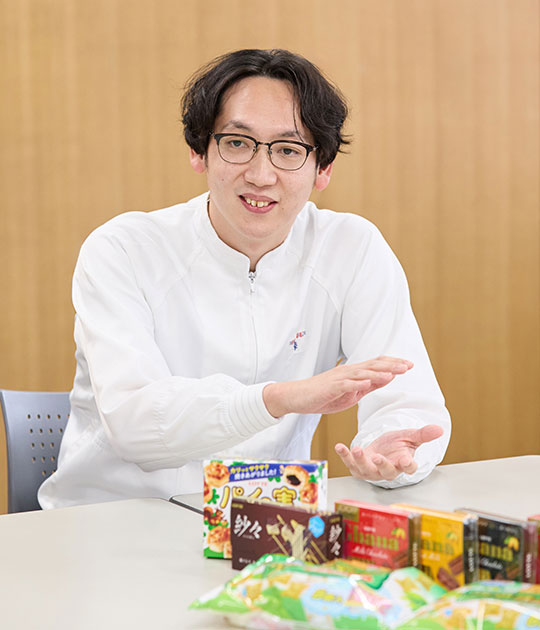
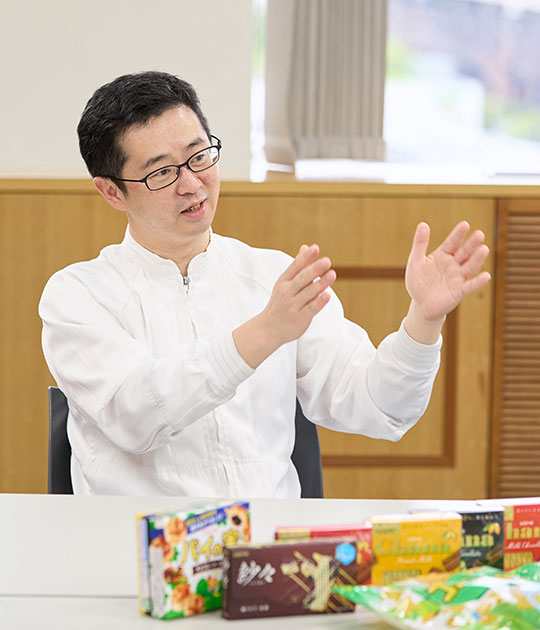
"We prioritized collecting data first to sequentially create dashboards that allowed us to view data for each piece of equipment. These displays were created with the end-user in mind, providing specific views for both line workers on the floor and managers in the management building."
— Mr. Ben, Lotte Urawa Factory
"Because an alerting mechanism was essential on-site, I requested features to sound alarms when production preparations were incomplete and to automate on-calls during equipment failures."
— Mr. Takenaka, Lotte Urawa Factory
Design-Driven Experience: Creating 'Timeline Forms' Aligned with Field Operations
The project also delivered a custom web application with Timeline Forms — a chronological format on a single scroll screen enabling instant worker access during shifts. This was the first instance of professional web development for Urawa Factory team members.
"The hands-on technical mentorship helped us overcome what initially felt like a high barrier. I was surprised to learn that it typically takes five years to become a proficient web developer, yet we reached our goal quickly because of the dedicated support we received."
— Mr. Ben, Lotte Urawa Factory
"As our line workers use smartphones for their daily reporting, I provided input on the user interface to ensure the new experience was seamless for both the floor staff and management. Our younger staff members transitioned away from paper voluntarily and required no formal training to get started."
— Mr. Takenaka, Lotte Urawa Factory
The Power of Decisive Prioritization in Agile Scrum Development
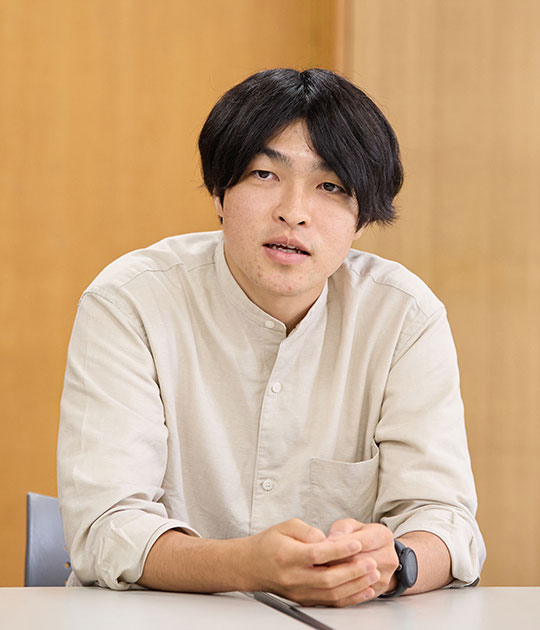
"While we faced a mountain of requirements, we had to establish clear priorities and a unified direction to meet our ambitious launch schedule. A one-week sprint is impossible to sustain if you are constantly pausing to double-check every detail with the floor, so I learned to make instant go or no-go decisions to maintain momentum. Despite the initial apprehension in our first Agile project, Classmethod encouraged us to 'just give it a try' and I was struck by their ability to maintain project velocity while navigating the unpredictable nature of the process."
— Mr. Toge, Lotte Urawa Factory
"During the operational design for our AWS environment, they suggested that instead of manual documentation, we should convert our technical text into an AI-ready format. They proposed a system where a simple natural language query could instantly surface the relevant page — a highly innovative approach that we had never even considered."
— Mr. Nagai, Lotte ICT Strategy Department
Accelerating Operational Efficiency Through Data on the Production Floor
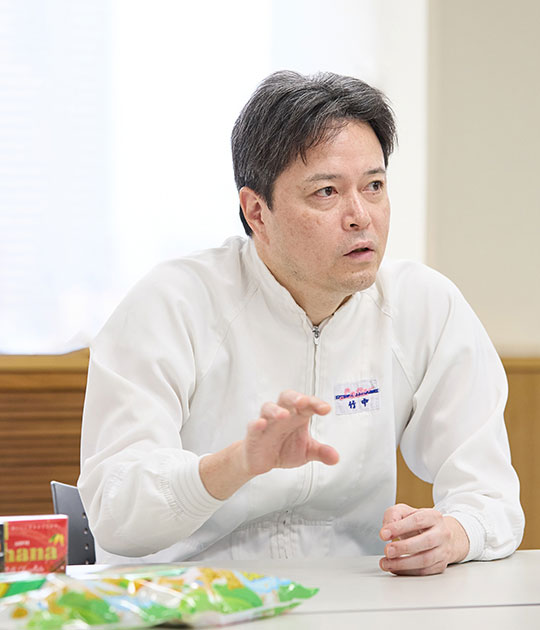
"Previously, we evaluated productivity based on final output, but with this new visibility, we can now assess the performance of each individual piece of equipment. Because the impact of our improvements is now immediately visible, it has significantly boosted morale across the team. Furthermore, the synergy between data visualization and digital reporting means staff no longer need to visit each machine to record values manually — our line workers have gained the flexibility to step away from the line to manage multiple machines or focus on higher-value tasks."
— Mr. Takenaka, Lotte Urawa Factory
Results Achieved
- • Full production line transparency achieved through centralized equipment data integration
- • Approximately 50% of paper forms digitized, reducing manual workload
- • In-house development expertise built through successful Agile Scrum implementation
- • Equipment-level performance insights enabled data-driven optimization decisions
- • Line workers gained flexibility to manage multiple machines simultaneously
Driving Scalable Innovation: Expanding In-House Development Across Production Lines
"Our ultimate goal is to evolve our data utilization through automation and predictive analytics. We value Classmethod's role as a strategic partner and look forward to their continued delivery of insightful, high-impact proposals as we move into this next phase."
— Mr. Toge, Lotte Urawa Factory
This case study uses Manufacturing Industry Engineering Support.
Classmethod's manufacturing engineering support combines PLC data integration, cloud-native visualization, and Agile development coaching to help factories achieve real-time operational visibility and build sustainable in-house digital capabilities.