
Scaling AWS with Guidelines Development: Strengthening Governance and Security with a Multi-Account Strategy
Bourbon Corporation
Applied Services: AWS Consulting, Governance Guidelines Development
Date Published: 14 JAN 2026
Bourbon Corporation, founded in Kashiwazaki, Niigata Prefecture, manufactures beloved confectionery and food products — from biscuits and chocolate to candy and frozen desserts. Having begun AWS migration around 2019 to reduce physical server maintenance burdens, Bourbon celebrated its 100th anniversary in November 2024. As AWS usage scaled, the company needed governance frameworks that could grow with it.
Preparing for Broader AWS Adoption: Unified Rules and Account Segmentation
By 2024, Bourbon's AWS environment had grown organically to nearly 40 EC2 virtual servers spread across a single account — without a unified governance framework. This created mounting risks that the team knew needed addressing before further expansion.
Challenges Before the Project
- • No unified AWS rules or dedicated personnel for oversight
- • Multiple systems operating within a single AWS account
- • Excessive administrative privileges creating security risks
- • No cost allocation tracking across systems
- • Non-scalable connectivity to on-premises systems
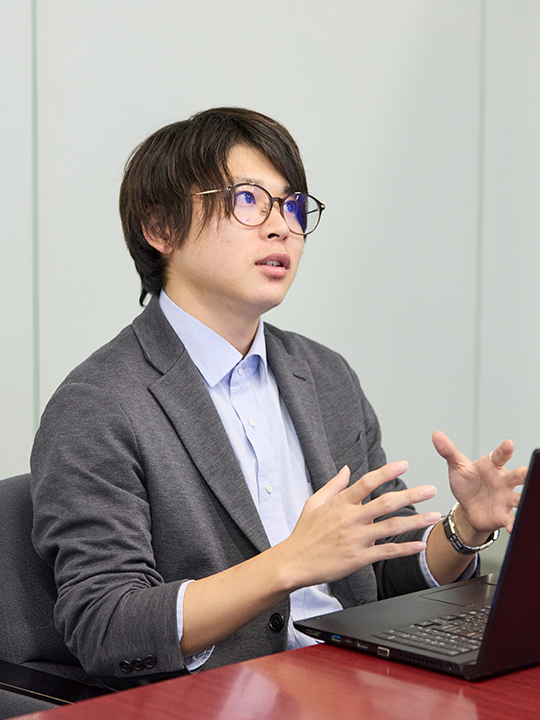
"Without structured rules and standardization, scaling sustainably wasn't possible as adoption grew."
— Mr. Yamaguchi, Bourbon Corporation
Assembling a Cross-Functional Dedicated Project Team to Develop AWS Guidelines

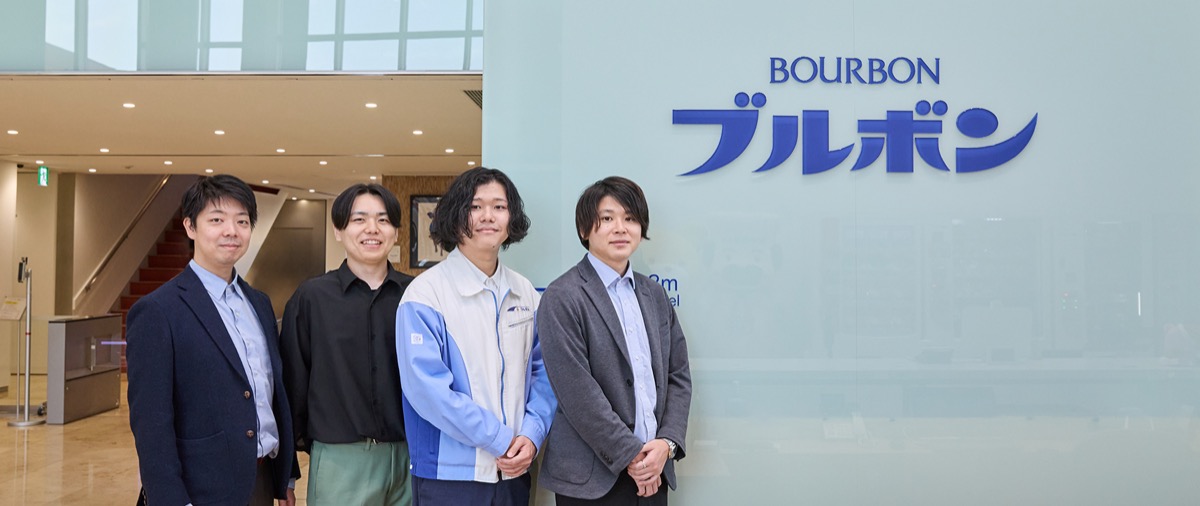
An 8-person dedicated cross-functional project team was assembled, and Classmethod facilitated weekly workshops covering account design, network architecture, security posture, and cost management. The guidelines development phase ran from April to September 2024.
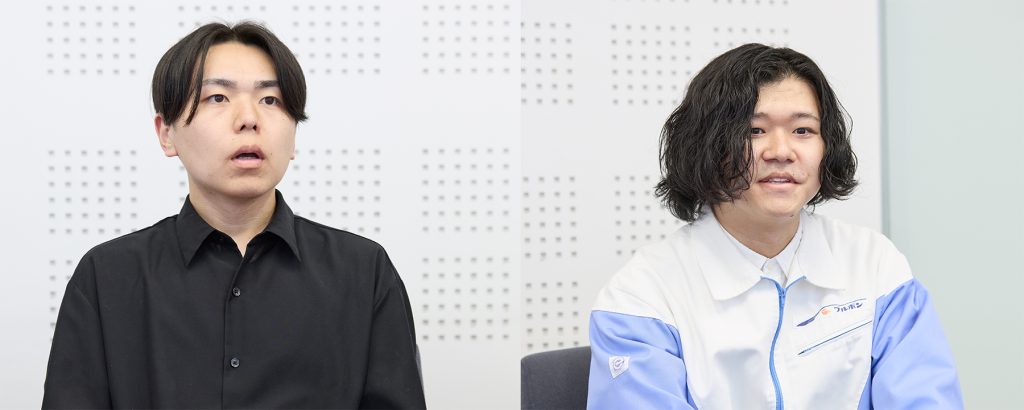
"Classmethod's engineers created an environment where asking questions felt natural and supported."
— Mr. Tsunoda, Bourbon Corporation
"Though AWS was entirely new to me, Classmethod engineers explained concepts accessibly and comprehensively."
— Mr. Miyazaki, Bourbon Corporation
Architecting a Multi-Account Environment Based on the AWS Guidelines
Following guidelines development, Classmethod designed and implemented a multi-account environment using AWS Organizations and AWS Control Tower. Accounts were organized through Organizational Units (OUs) with Service Control Policies (SCPs) enforcing security boundaries. The transition from a single chaotic account to structured governance was completed methodically, ensuring no disruption to active systems.
"The detailed runbook with screenshots enabled hands-on setup and significant professional growth."
— Mr. Ota, Bourbon Corporation
Building an AWS Transit Gateway Environment to Connect Multiple VPCs with On-Premises Systems
The Transit Gateway deployment phase (August–September 2025) addressed the final major architectural gap: scalable connectivity between AWS VPCs and Bourbon's on-premises environment. Rather than maintaining individual peering connections that would become unmanageable as accounts multiplied, the Transit Gateway hub-and-spoke model provides clean, auditable routing.

A Solid Foundation for Accelerating AWS Adoption
Results Achieved
- • AWS guidelines adhering to best practices established and documented
- • Multi-account architecture via AWS Organizations and Control Tower deployed
- • Account segmentation with OUs and SCPs enforcing security boundaries
- • AWS Transit Gateway enabling scalable, future-proof on-premises connectivity
- • Enhanced internal AWS expertise across the 8-person project team
"Our governance and security strengthened, enabling confident new account provisioning."
— Mr. Yamaguchi, Bourbon Corporation
"Guidelines development was unprecedented for us; the team gained substantial organizational value insights. Project organization prevented delays; Classmethod demonstrated exceptional professional standards."
— Mr. Kondo, Bourbon Corporation
This case study uses AWS Consulting and Governance Services.
Classmethod helps enterprises establish AWS governance frameworks, implement multi-account architectures, and build internal cloud expertise — creating a secure, scalable foundation for long-term AWS adoption.